Related

Pars Fractures in Youth Athletes: Understanding Lumbar Bone Stress Injuries
What Is a Pars Fracture?
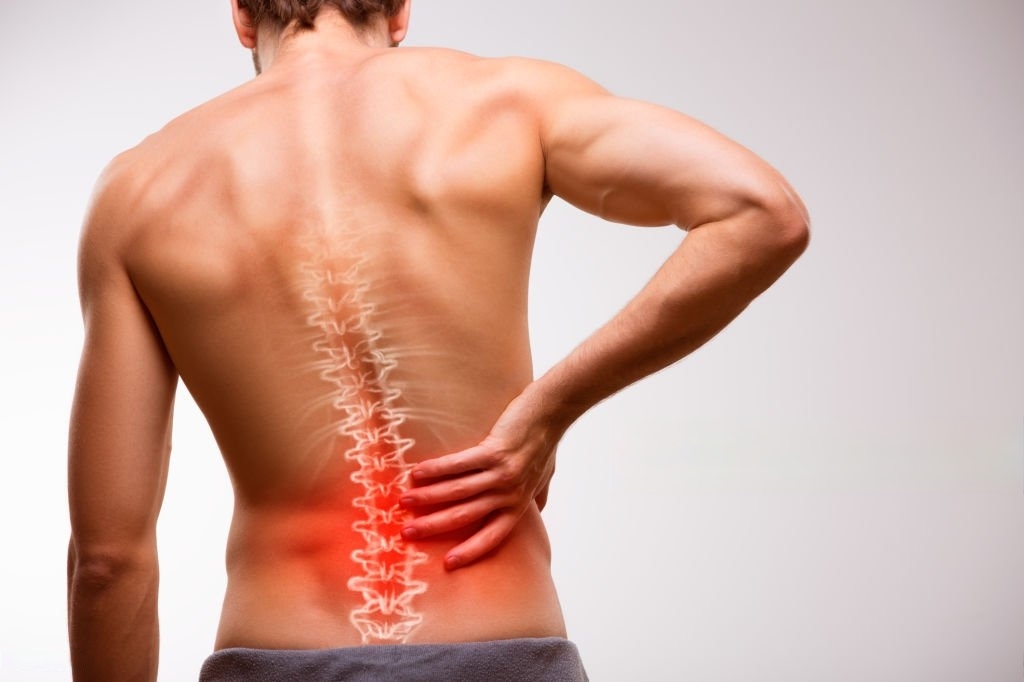
A pars fracture is specific type of bone stress injury affecting the lower back particularly pars interarticularis, a small bony bridge at the back of the vertebra. Most commonly, this occurs in the lower lumbar spine—particularly at L5. They are increasingly recognised in youth athletes. As sport becomes more competitive and specialised at younger ages, these injuries are becoming more common—particularly in sports that involve repetitive spinal extension and rotation.
The condition is medically known as Spondylolysis.
Like other bone stress injuries, pars fractures exist on a spectrum:
- Early-stage stress reaction (bone inflammation/oedema)
- Incomplete stress fracture
- Complete fracture (spondylolysis)
- In some cases, progression to vertebral slippage (spondylolisthesis)
When detected early, outcomes are significantly better and time away from sport can be minimised.
Why Are Youth Athletes at Higher Risk?
Adolescence is a period of rapid growth and skeletal change. During growth spurts:
- Bones temporarily lose density
- Coordination may decrease
- Muscular strength may lag behind limb growth
At the same time, training loads often increase.
Sports with repetitive lumbar extension and rotation carry the highest risk, including:
- Gymnastics
- Cricket (especially fast bowlers)
- Tennis
- Dance
- Diving
In these sports, the lumbar spine is repeatedly placed into extension under load. Over time, without sufficient recovery, this mechanical stress can exceed the bone’s ability to adapt.
How Do Pars Fractures Happen?
Bone adapts to stress through a process of breakdown (resorption) and rebuilding (formation). When recovery time and nutritional support are adequate, the bone becomes stronger.
However, problems arise when:
- Training volume increases rapidly
- Athletes specialise early without cross-training
- There is insufficient rest between sessions
- Energy intake does not match energy expenditure
Low energy availability—described under the Relative Energy Deficiency in Sport framework—can impair bone health by reducing bone mineral density and altering hormonal function. In this state, the body downregulates “non-essential” systems, including bone formation.
The result? The pars interarticularis becomes vulnerable to stress injury.
Signs and Symptoms
Pars fractures typically present as:
- Localised lower back pain (often one-sided)
- Pain worsened by spinal extension (arching backwards)
- Pain during sport, improving with rest
- Stiffness in the morning
- Occasionally pain radiating into the buttock
Unlike muscular back pain, symptoms are often very focal and reproducible with specific movements.
How Are Pars Fractures Diagnosed?
Clinical assessment by a physiotherapist or sports physician is the first step.
Imaging may include:
- MRI – best for detecting early stress reactions
- CT scan – useful in confirmed fractures
- X-ray – may miss early-stage injuries
Early MRI detection is particularly important because stress reactions (before full fracture) have a higher healing potential.
Treatment: Patience and Precision
1. Offloading the Spine
Initial management often includes:
- Temporary removal from aggravating activities
- Avoidance of lumbar extension
- Modified training
Complete bed rest is rarely required, but strict rest from painful movements is essential.
Healing time typically ranges from 8–16 weeks, depending on severity and stage at diagnosis.
2. Progressive Reloading
Bones require load to regain strength.
Rehabilitation progresses through:
- Core and trunk stability work
- Neutral spine control
- Gradual reintroduction of impact
- Controlled extension loading
A structured programme guided by a physiotherapist or strength and conditioning coach is vital. Returning too quickly risks non-union or recurrence.
3. Addressing Underlying Risk Factors
Successful recovery requires more than just rest.
Key areas to review:
- Training load and scheduling
- Nutrition and fuelling practices
- Vitamin D and calcium levels
- Sleep (8–10+ hours per night in adolescents)
- Growth monitoring
If RED-S is present, multidisciplinary input (doctor, dietitian, coach, parents) is essential.
After Return to Sport: What to Expect
Even after symptoms resolve:
- Bone mineral density may take 12–18 months to fully normalise
- Risk of recurrence remains if underlying factors persist
- Movement patterns may need long-term modification
A gradual return-to-sport plan is crucial, particularly in sports requiring repetitive extension.
Prevention Strategies
Pars fractures are not simply “bad luck.” They are often predictable and preventable.
Manage Training Load
- Avoid sudden spikes in volume or intensity
- Schedule at least one full rest day per week
- Allow adequate rest between double sessions
Avoid Early Specialisation
Multi-sport participation improves overall strength, coordination, and load tolerance.
Strength & Conditioning
Targeted trunk strength and posterior chain development improve spinal resilience.
Prioritise Nutrition
- Ensure adequate total caloric intake
- Include regular carbohydrate intake around sessions
- Monitor for signs of low energy availability
Monitor Growth Spurts
Rapid height increases should trigger temporary training modifications.
Encourage Early Reporting
Back pain lasting more than 1–2 weeks in a youth athlete should always be assessed.
Final Thoughts
Pars fractures are one of the most common causes of persistent lower back pain in adolescent athletes. While they can be frustrating and require time away from sport, early diagnosis and a comprehensive management plan lead to excellent outcomes.
By balancing training load, fuelling properly, prioritising recovery, and promoting open communication, we can protect spinal health and support long-term athletic development.
Healthy spines build resilient athletes — and resilience is what sustains performance over time.
References
Moeller, J.L., 2025. Spondylolysis in Adolescent Athletes: A Descriptive Study of 533 Patients. Clinical Journal of Sport Medicine, 35(3), pp.264-268.
Kriz, P.K., Kobelski, G.P., Kriz, J.P., Willwerth, S.B., Hunt, D.L., Evangelista, P.T. and Meehan III, W.P., 2024. Pars interarticularis and pedicle stress injuries in young athletes with low back pain: a retrospective cohort study of 902 patients evaluated with magnetic resonance imaging. The American Journal of Sports Medicine, 52(10), pp.2639-2645.
Gross, P.W., Yang, M., Jones, R.H. and Doyle, S.M., 2024. Return to sports following spondylolysis surgery in children and adolescents: a systematic review. HSS Journal®, 20(3), pp.424-430.
.jpeg)
.jpg)
%20(1).jpg)