Related

Why Slowing Down Might Be the Most Underrated Skill in Youth Sport
Why Slowing Down Might Be the Most Underrated Skill in Youth Sport
Speed gets noticed early in youth sport. The fastest kid on the team stands out, gets picked first, and is often labelled as “talented”. Sprinting, chasing, and exploding into space are easy to spot and easy to praise.
What we tend not to notice is what happens after the sprint.
The ability to slow down, stop, change direction, or regain balance plays a massive role in how well young athletes perform. This skill is called deceleration, and despite how often it appears in games, it rarely gets coached directly.
Speed Without Control Has a Cost
As children grow, they don’t just get faster; they get heavier, longer, and more powerful. Every time they stop suddenly or change direction, their body must absorb large forces. The faster they move, the greater those forces become.
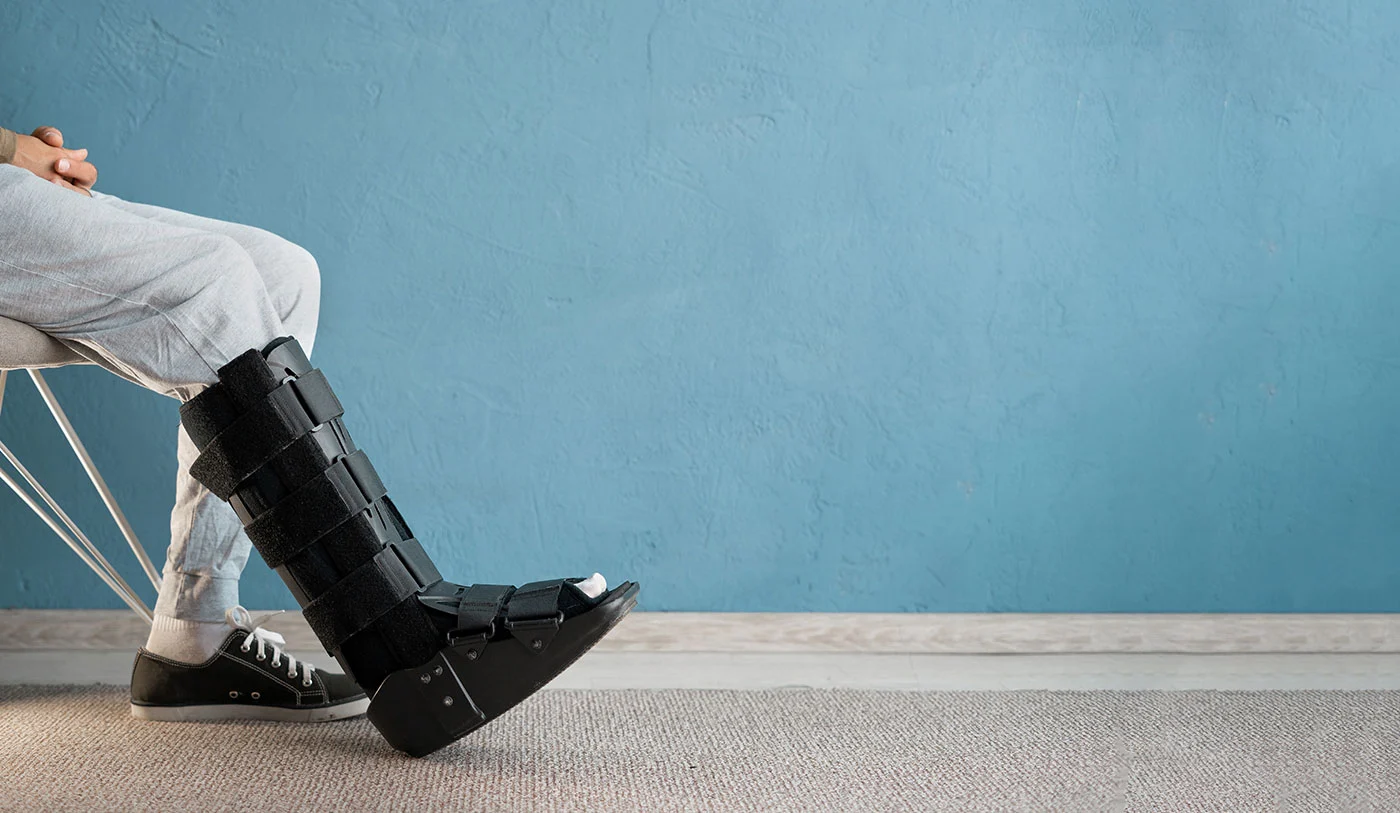
When young athletes haven’t learned how to manage these forces, the stress ends up in places that aren’t ready for it. Knees, ankles, and hips often take the hit, especially during growth phases when coordination temporarily drops. Over time, this is where many non-contact injuries begin to appear.
Slowing down well isn’t about holding athletes back; it’s about protecting their bodies and supporting their ability to stay injury-free.
Why Deceleration Feels So Hard for Kids
Stopping quickly sounds simple, but it’s surprisingly demanding. During growth spurts, limbs lengthen, body proportions change, and timing can feel “off”. Athletes who once moved smoothly may suddenly look awkward or unstable.
You might notice heavy foot contacts, rushed steps, knees drifting inward, or athletes pitching forward when they try to stop. These aren’t mistakes caused by lack of effort; they’re signs the athlete hasn’t yet developed the strength and coordination needed to control their new body.
This phase is normal, and it’s exactly when good coaching matters most.
Where Injuries Actually Happen
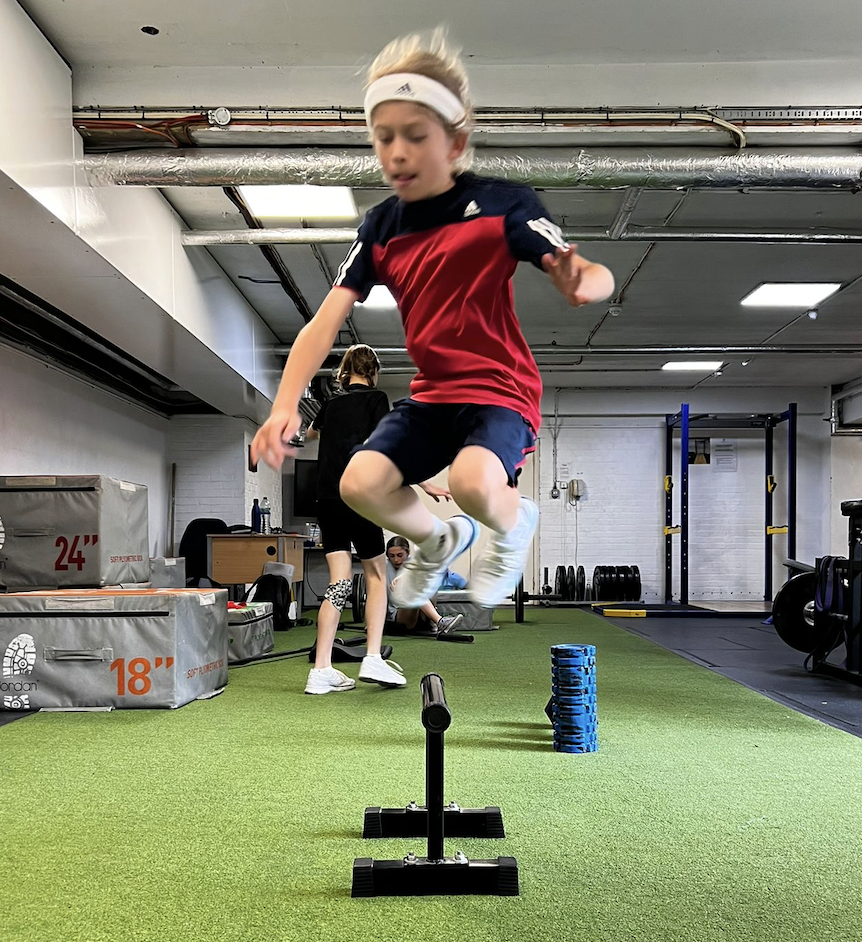
Most injuries in youth sport don’t occur at full sprint in a straight line. They happen when an athlete must react: braking hard, changing direction, landing and moving again, or being pushed off balance by another player.
Teaching athletes how to decelerate effectively helps them stay upright, stable, and in control during these moments. When athletes trust their ability to stop safely, they move more freely and play with greater confidence.
How We Train Deceleration
Young athletes don’t need constant technical instruction to learn how to slow down. They learn best when the environment demands control.
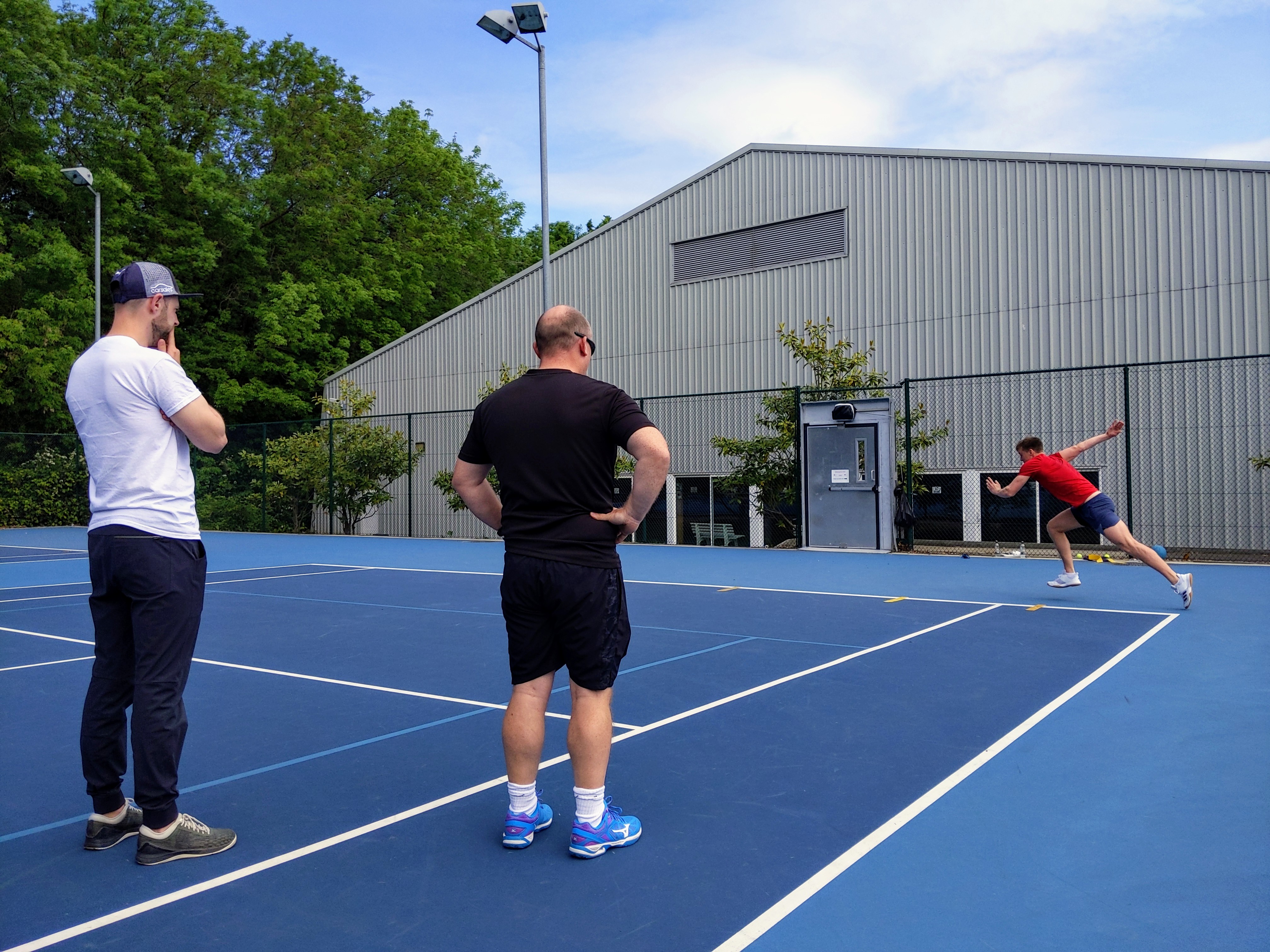
Instead of telling an athlete to “slow down”, we create situations where finishing under control is the goal. Sprinting into a stop, chasing and braking, or landing and holding positions all teach deceleration naturally. When athletes are asked to own the finish of a movement and pause briefly, awareness and balance improve quickly.
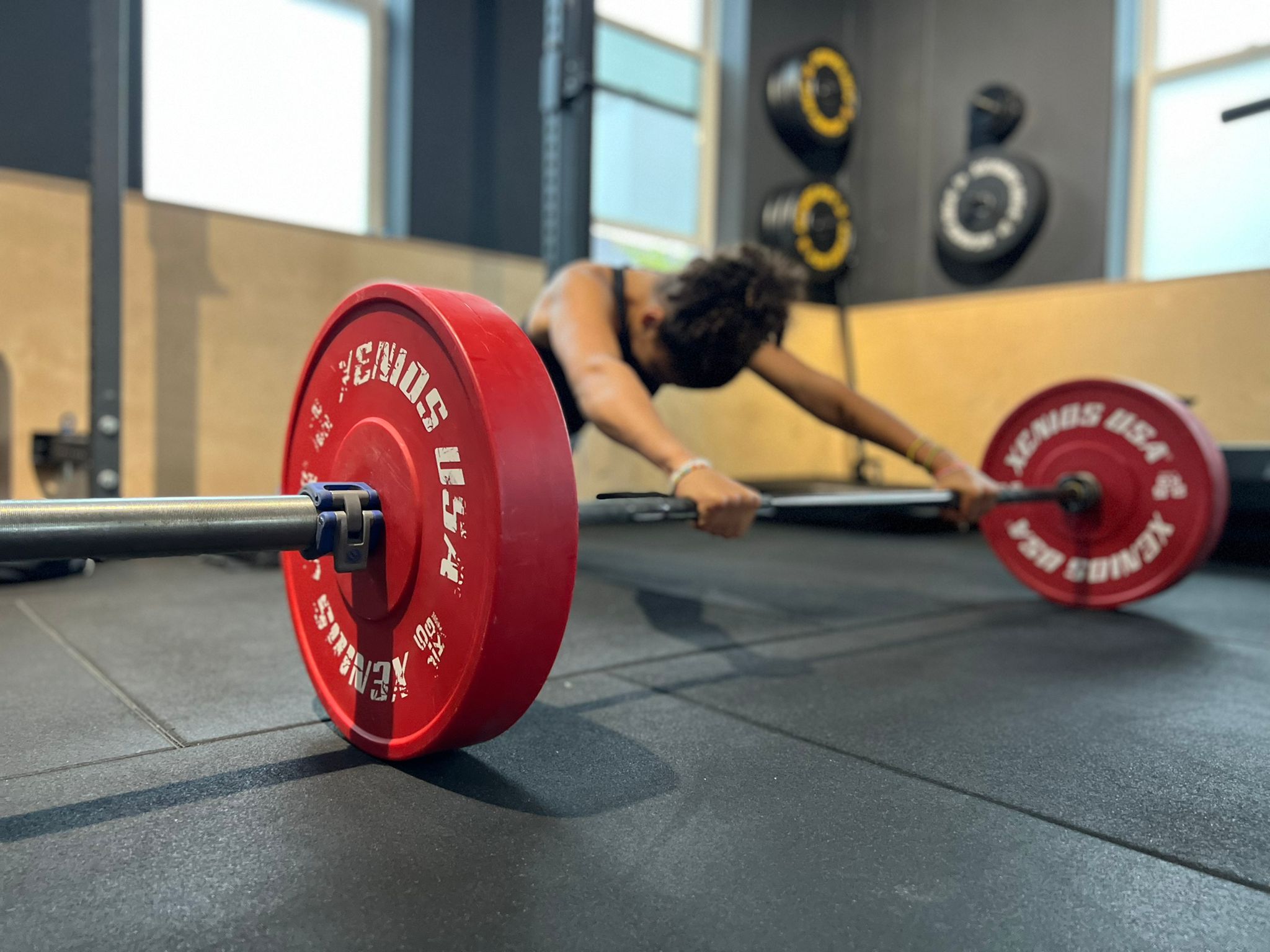
However, deceleration isn’t just about coordination. It places high physical demands on the body. Muscles in the legs and trunk are responsible for absorbing force when an athlete slows down, and without enough strength, even good technique will eventually break down.
We support this through exercises such as:
- Split squats and lunges to build knee and hip control
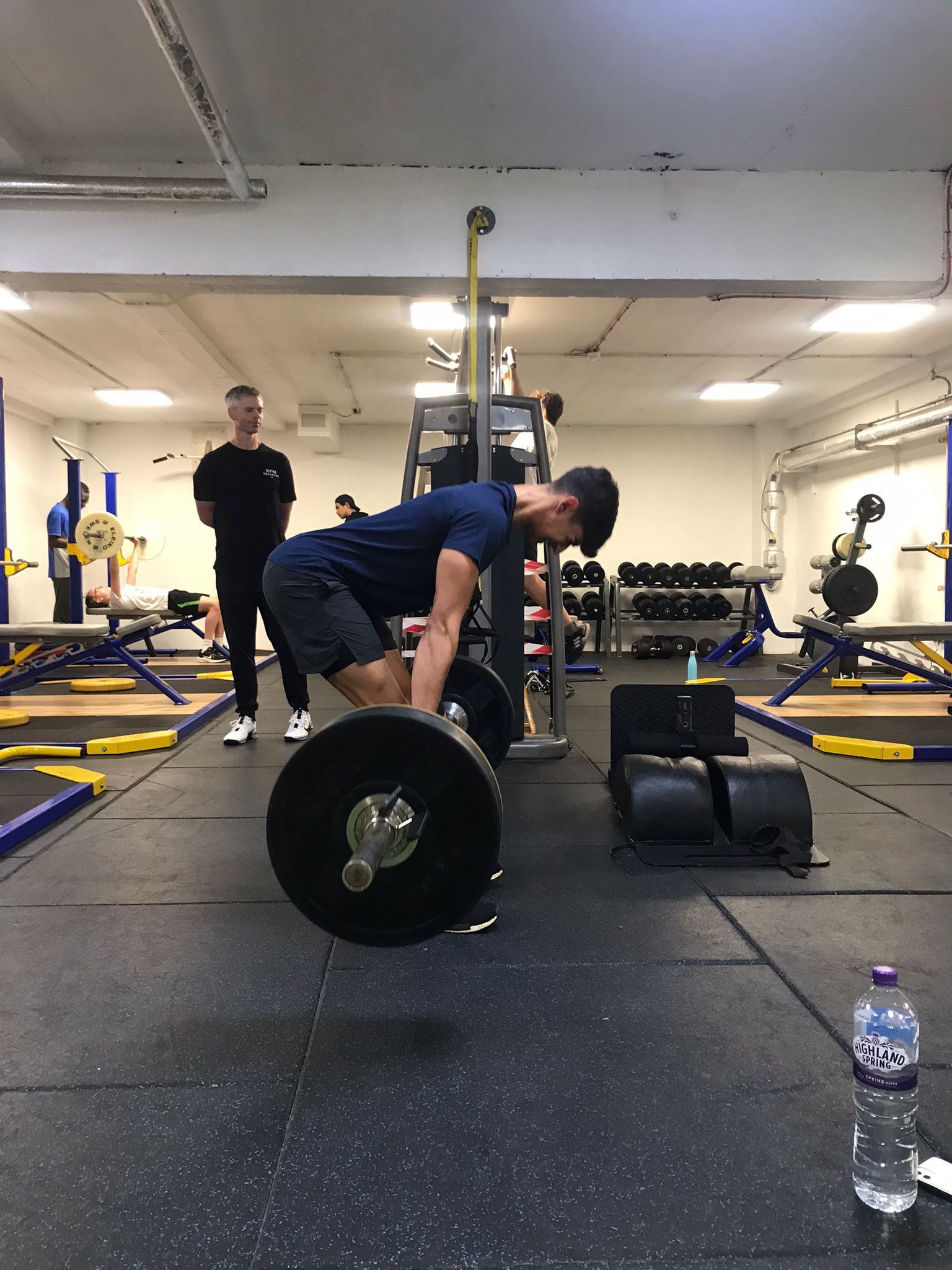
- Hip hinge movements to strengthen the posterior chain
- Calf raises and ankle work to improve braking stiffness
- Single-leg strength exercises that reflect how sport actually happens
The Long-Term View
Athletes who learn to decelerate well tend to move more efficiently, stay healthier across long seasons, and progress more smoothly into higher levels of training. Just as importantly, they develop confidence in their bodies during unpredictable game situations.
Deceleration might not be flashy, but it underpins everything from speed and agility to resilience and longevity in sport. Teaching young athletes how to slow down isn’t about limiting performance; it’s about protecting their bodies, enhancing performance, and developing a skill many others never fully master.
.jpeg)
.jpg)
%20(1).jpg)